SWAN Beauty
- 0.0
- Rating
- 10.00K
- Installs
- Free
- Price

 Analysis by App-foxy
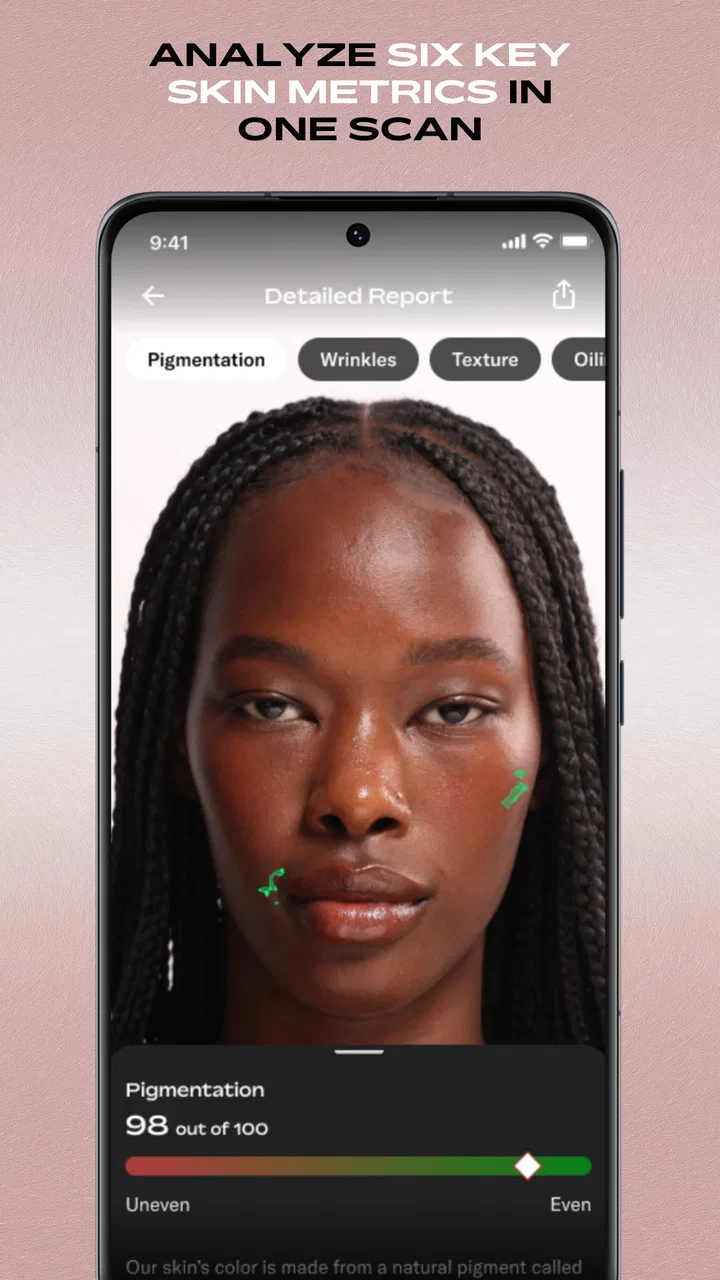
Beauty apps often promise a more personal routine, but the useful question is whether they actually make everyday decisions easier. After spending time with SWAN Beauty, I see it as a focused beauty companion rather than a complete replacement for every product guide, consultation, or shopping tool. Its appeal comes from keeping the experience centered on personal beauty needs, with a simple enough identity for someone who wants guidance without turning skincare or makeup into a research project.
The app belongs to the Beauty category and is developed by SWAN Beauty. It is free to use, carries a Teen content rating, and has reached over ten thousand installs. That makes it approachable for experimenting without committing money first. I also appreciate that the current release is version 2.17.0, while support begins with Android 7.0, so people using older but still functional Android phones have a reasonable chance of trying it.
How SWAN Beauty feels in everyday use
I find the everyday value of SWAN Beauty less in replacing a beauty expert and more in giving me a clearer starting point when I’m unsure what to focus on. In the next section, I’ll look at how I judge that kind of guidance alongside the choices and controls a user should consider.
You May Also Like

 Pandora - Music & Podcasts
Pandora’s Music Is Easy to Start, but Harder to Recover
Pandora’s strength is its low-effort path from a seed to a station. Its weak spot is how much confidence it asks you to place in connection, setup, and quiet recovery.

 8 Ball Pool
 Is Built on Rivalries, Rematches, and Routine
A close look at the rivalries, rematches, shared routines, and unanswered safety questions that turn a quick pool match into a persistent mobile community.

 Samsung Music
’s Quiet Strength Is Playing What You Already Own
Its reach comes less from spectacle than from dependable access to a personal library. That simplicity is both the app’s strongest retention engine and its ceiling.

 AccuWeather: Weather Radar
AccuWeather Review: A Quick, Clear Forecast for Everyday Decisions
For everyday plans, the best forecast is the one you can understand quickly. AccuWeather makes rain timing, radar, and local conditions easy to act on, with a few trade-offs.

 Hill Climb Racing
Why Hill Climb Racing Still Turns Crashes Into One More Run
A tiny car, a bumpy hill and one more upgrade: Hill Climb Racing keeps resurfacing because its simple chaos makes every near-miss feel personal.

 AliExpress - Shopping App
AliExpress Makes Global Shopping Feel Personal, but Shoppers Bear the Risk
AliExpress turns a global marketplace into a pocket-sized discovery engine. Its reach is useful, its shopping loop compelling, and its trade-offs easy to miss.
More From Our News Desk
View All News


A quick start is part of its appeal
My first impression is that the app is built around reducing friction. The store summary describes it as beauty personalized for you, and that idea matters more here than a long list of technical functions. Instead of treating every user as someone who already knows the difference between product types, routines, and application methods, the experience is aimed at helping you move from a broad beauty concern toward something more relevant to your situation.
That makes it a natural fit for a short session. I can imagine opening it before work, while getting ready for an event, or when I am standing in a shop and trying to decide what deserves attention. The strongest use is not necessarily spending a long time browsing. It is using the app as a prompt when I feel stuck between several possible directions.
The most useful mindset is to treat personalization as a starting point, not an unquestionable prescription. Beauty choices depend on habits, climate, sensitivity, budget, and how much time someone has each morning. An app can help organize those choices, but I would still check how a recommendation fits my real routine before changing several products at once.
Who will get the most from it
SWAN Beauty makes the most sense for someone who wants a more guided beauty experience but does not want to begin with a specialist vocabulary. It can also suit people who enjoy trying new approaches and need a place to narrow their options. Someone returning to skincare or makeup after a long break may find a personalized format less intimidating than opening a general search engine and sorting through conflicting advice.
I would be especially comfortable recommending it to a user who wants to create a repeatable decision process. For example, instead of buying whatever catches my eye, I can use the app to think about what I am trying to improve, what kind of result I expect, and whether the suggestion fits the way I actually live. That small pause can prevent impulse purchases and routines that are too complicated to maintain.
It is less suitable for a person looking only for a large shopping catalog, professional diagnosis, or a deeply technical ingredient reference. If your priority is comparing every brand, reading extensive formulation details, or getting advice for a medical skin concern, a specialist resource will be a better companion. I would not use a beauty app as a substitute for medical care, especially when irritation, persistent changes, or an allergic reaction is involved.
What personalization changes in practice
The personal angle is valuable because beauty advice is rarely universal. A routine that feels manageable to one person may be too expensive, time-consuming, or uncomfortable for another. In my experience, the real benefit of a personalized app is not that it magically knows the perfect answer. It is that it encourages better questions: what result am I after, how much effort will I maintain, and is this recommendation actually appropriate for my current needs?
There is also a useful trade-off here. More personal guidance can feel more relevant, but it can also make the app less useful when I want to browse freely or compare alternatives outside the suggested path. I prefer using the recommendations as a shortlist, then applying my own judgment. That approach keeps the app helpful without letting a single result dictate my entire routine.
Handling a realistic daily scenario
Imagine I have a dinner invitation after work and only a few minutes to prepare. I do not need a complete beauty education; I need a practical direction that matches the look I want and the time available. In that situation, SWAN Beauty can serve as a decision filter. I would use it to identify a suitable focus, select only the steps I can realistically complete, and avoid adding unfamiliar products at the last minute.
The same workflow works on a quieter weekend. I might use the app to review my current habits, identify one area to improve, and test a change gradually rather than rebuilding everything in one session. That is an important distinction: the app is more useful when it supports small, deliberate adjustments than when it encourages an ambitious routine that becomes exhausting after a few days.
Speed expectations and the role of the device
I would approach the app expecting a lightweight, focused experience rather than a demanding visual platform. Its purpose is personal beauty guidance, so the value should come from how quickly I can reach relevant information and make a decision, not from constant animation or a complex entertainment layer. On a reasonably maintained phone, that should make short visits feel natural.
Older Android hardware deserves a little patience. Although Android 7.0 support makes the app accessible to a broad range of devices, an older phone may take longer to open screens or respond when other apps are active. That does not automatically mean the app is poorly optimized; it is simply the normal trade-off of using current software on aging hardware. Closing unused apps and keeping enough free storage can make the experience more comfortable.
I also would not judge the app solely by the first few seconds of a session. Beauty tools sometimes need to load personalized content or refresh information, and a brief pause can be more noticeable on a weak connection. If I were preparing for an appointment or shopping trip, I would open the app ahead of time rather than waiting until the exact moment I need an answer.
Heavy-use moments and resource awareness
The demanding moments are likely to come from repeated browsing, refreshing personalized content, or moving through image-rich beauty material rather than from the basic act of reading guidance. I would expect a phone with limited memory to feel less comfortable if several other apps are running in the background. For a short consultation, that may not matter. During a longer browsing session, it can affect how smooth the experience feels.
My practical tip is to use a focused session instead of leaving the app open indefinitely. Decide what I want to learn, review the relevant suggestions, note the useful points, and close it when finished. This approach is better for battery habits and also improves the quality of the decision, because endless browsing can make beauty advice feel more confusing rather than more personal.
On a newer device, I would expect the app to feel more responsive simply because the phone has more room to manage the interface and other background activity. On an older device, I would keep expectations realistic and avoid comparing it with highly polished shopping apps backed by large catalogs and aggressive visual design. SWAN Beauty’s strength is its focused purpose, not a promise of maximum spectacle.
Stability, interruptions, and recovery
Reliability matters more than speed when an app is helping me make a personal choice. I want to return to a session after an interruption without feeling that I have lost my place or need to repeat everything. A sensible recovery habit is to pause at natural points, remember the decision I was making, and reopen the app if the phone has cleared it from memory. That is less frustrating than trying to keep a long session alive while switching between messages, shopping, and other tools.
I also recommend saving the practical conclusion in my own notes when it matters. This is not because the app is unsuitable, but because personal routines should not depend entirely on one screen being available at the exact moment I need it. Writing down the product type, routine order, or question I want to explore gives me a backup and makes it easier to judge whether the recommendation worked later.
For recovery after a slow or interrupted session, I would first check the basics: reopen the app, confirm that the phone has a stable connection, and make sure the device is not nearly full. If the problem keeps returning, I would avoid making an important beauty decision under pressure and use the app later when the phone is behaving normally. That is good practice for any personalized tool, especially one being used while multitasking.
Device constraints and Android compatibility
Support for Android 7.0 is a practical advantage because it does not force everyone onto a recent phone. Still, operating-system compatibility is only one part of the experience. Screen size, available memory, storage, battery condition, and network quality can all influence how comfortable the app feels. A compact older phone may be perfectly adequate for reading and choosing, but less pleasant for extended browsing.
People with limited storage should also be selective about keeping many large apps installed at the same time. Even when an app itself is not demanding, a crowded device can make updates and general navigation feel slower. I would keep the phone maintained, install the latest available version from the official app source, and avoid judging the experience on a device that is already struggling with basic tasks.
The Teen rating is another reason I would encourage sensible expectations. It places the app in a general audience context with an age boundary, but it does not turn personalized beauty guidance into professional health advice. Younger users may benefit from discussing major routine changes with a parent or trusted adult, while anyone dealing with a serious skin issue should seek qualified medical guidance instead of relying on app-based suggestions.
Where it beats familiar alternatives
The usual alternatives are broad web searches, social media videos, retailer filters, and advice from friends. Each has a place, but each creates a different problem. Search results can be overwhelming, social feeds can prioritize trends over suitability, retailer tools often steer the experience toward purchasing, and friends may recommend products that work for completely different needs.
SWAN Beauty’s advantage is the attempt to put personal relevance before the noise of a general feed. That can make it easier to begin with a concern rather than with a brand. I find that particularly useful when I am still deciding what kind of solution I need. By contrast, a retailer’s app is usually better once I already know the exact product category and want to compare availability, sizes, or prices.
Professional advice remains the stronger option for diagnosis, persistent problems, and highly sensitive skin. A beauty community may be better for seeing real-world application ideas, while a specialist database may be better for ingredient research. I see SWAN Beauty occupying the middle ground: more directed than casual browsing, but less authoritative than a consultation.
Small workflow changes that improve the experience
I get more value from the app when I define one goal before opening it. “I want a simpler morning routine” is more useful than “I want better beauty advice.” A narrow goal makes it easier to recognize relevant guidance and ignore suggestions that do not fit my time, budget, or comfort level.
Another useful habit is changing only one part of my routine at a time. If I follow several recommendations simultaneously and experience a problem, I will not know which change caused it. A slower process may feel less exciting, but it gives me clearer feedback and makes the personalization more meaningful.
I also compare the app’s suggestions with my actual schedule. A routine that looks reasonable on paper may fail when I have to leave home quickly. I would rather choose two steps I can repeat consistently than six steps I abandon after a week. This is where my own judgment matters most, and it is also where the app can be genuinely helpful by prompting me to think about practicality.
Who should skip it
I would skip SWAN Beauty if my main goal were immediate purchasing, exhaustive brand comparison, or clinical skin assessment. It is also not the right choice for someone who dislikes personalized guidance and prefers to manually browse every option. The app’s central idea works best when I am willing to answer questions, consider a suggested direction, and then make a thoughtful choice.
People using very old or heavily cluttered phones may experience more friction than users on newer hardware. That does not make the app unusable, but it can reduce the convenience that a beauty companion should provide. If opening apps is already slow on the device, a browser-based reference or a simple written routine may be less frustrating.
My performance verdict
SWAN Beauty works best as a focused, free way to bring more structure to personal beauty decisions. I like that its identity is clear: it is not trying to be every beauty service at once. The personalized approach can save time at the beginning of a routine, especially for users who feel overwhelmed by generic advice and want a more relevant starting point.
My reservations are equally straightforward. Personalization should not be confused with professional diagnosis, and the app may be less satisfying for users who want a full shopping ecosystem or deep technical research. Device age and multitasking can also affect perceived responsiveness, so I would use it with realistic expectations on older Android hardware.
Overall, I would recommend it to a friend who wants help narrowing beauty choices without paying to try the experience. I would open it with one clear goal, use its guidance as a shortlist, introduce changes gradually, and keep a personal note of what works. For that kind of user, SWAN Beauty is a sensible companion: not a final authority, but a practical way to make beauty decisions feel more personal and less scattered.
FAQs for SWAN Beauty
01What is SWAN Beauty, and what can I use it for?
SWAN Beauty is a beauty-focused mobile application designed to help users explore beauty services, products, or related lifestyle content in one place. Depending on the version and your location, it may support browsing available offerings, discovering treatments, reviewing details, and contacting or booking participating professionals. Before downloading, check the current store description because features and availability can vary by country.
02Is SWAN Beauty free to download and use?
The application may be free to download, but some services, appointments, products, or premium features can require payment. Installing the app does not necessarily mean that treatments or purchases are included at no cost. I recommend reviewing the pricing information shown inside the app and confirming any booking fees, cancellation conditions, delivery charges, or subscription terms before completing a transaction.
03Does SWAN Beauty work in every country or city?
SWAN Beauty’s usefulness may depend heavily on your location because beauty providers, salons, products, and booking options are often available only in selected areas. After installation, the app may request location access or ask you to choose a region. If you cannot find nearby services, this may reflect limited local coverage rather than a technical problem with your device.
04Do I need to create an account to use SWAN Beauty?
Some parts of SWAN Beauty may be accessible without registration, such as viewing general information or exploring available content. However, an account may be required for booking appointments, saving preferences, managing orders, contacting providers, or receiving notifications. When signing up, review the information requested and the app’s privacy policy so you understand how your personal details and communication preferences are handled.
05Is SWAN Beauty safe and suitable for everyone?
SWAN Beauty should be downloaded from an official Google Play or Apple App Store listing to reduce the risk of installing an altered or unsafe version. The app itself may be suitable for general beauty discovery, but individual treatments and products are not automatically appropriate for every person. Check ingredients, provider qualifications, age restrictions, and possible allergies, and seek professional medical advice when a treatment could affect your health.
Pros
- Easy access to beauty products and services in one place.
- Clean
- visually appealing interface makes browsing enjoyable.
- Useful product categories help narrow down beauty searches.
- Convenient for discovering new brands and beauty trends.
- Suitable for users who prefer shopping from their mobile device.
Cons
- Product availability may vary depending on your location.
- Some items may be priced higher than comparable alternatives.
- Limited information can make product comparisons difficult.
- Delivery times may differ between products or service providers.
- The app may require account creation for certain features.

SWAN Beauty
Gallery